Obstructive sleep apnea is a condition in which the airway repeatedly becomes blocked during sleep, causing breathing to stop and start. Many people with sleep apnea do not know they have it, yet it can affect energy, concentration and long-term heart health.
Common Signs
- Loud, frequent snoring
- Pauses in breathing noticed by a partner
- Waking up gasping or choking
- Excessive daytime sleepiness
- Morning headaches and dry mouth
- Poor concentration and irritability
Risk Factors
- Excess weight, especially around the neck
- Older age and male sex
- Large tonsils or a narrow airway
- Alcohol or sedatives before bed
- Smoking and nasal congestion
Why It Matters
| Possible effect | Explanation |
|---|---|
| High blood pressure | Repeated drops in oxygen stress the heart |
| Heart rhythm problems | Higher risk of atrial fibrillation |
| Road accidents | Daytime sleepiness affects driving |
| Diabetes and weight gain | Poor sleep affects metabolism |
Diagnosis
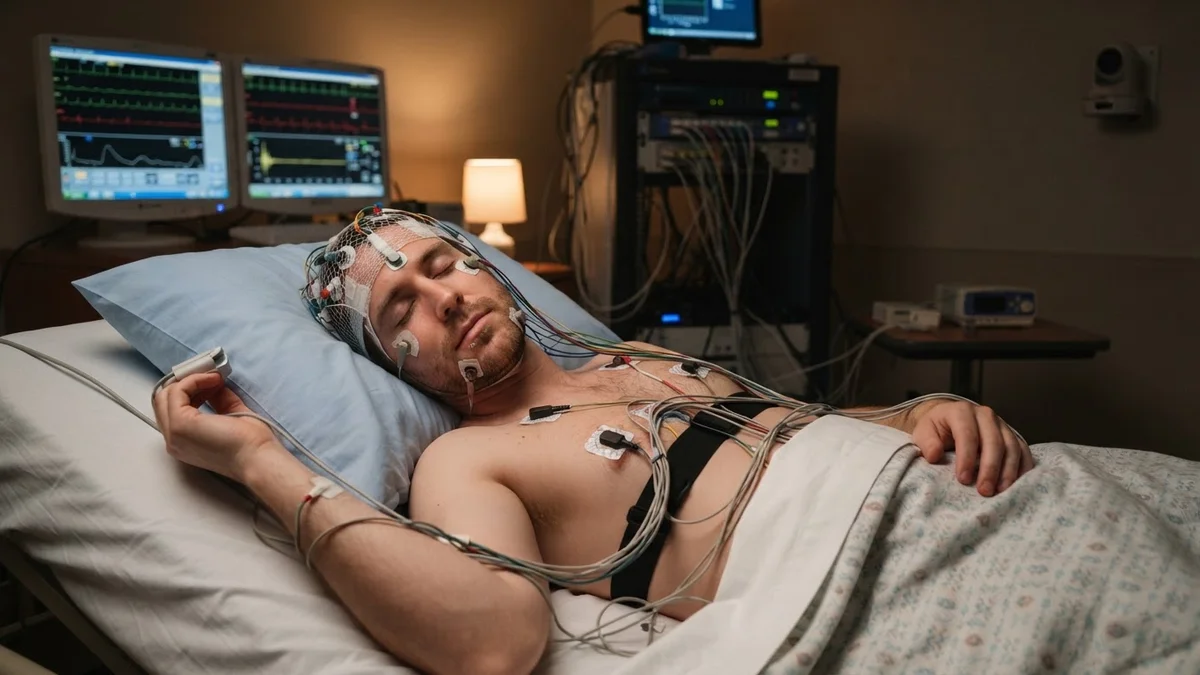
A sleep study, done in a sleep lab or at home with a portable device, records breathing, oxygen levels and heart rate overnight.
Treatment
- CPAP: a machine that delivers air through a mask to keep the airway open.
- Oral appliances: custom mouthguards that move the jaw forward.
- Lifestyle changes: weight loss, avoiding alcohol before bed, sleeping on your side.
- Surgery: in selected cases.
When to See a Doctor
See a doctor if you snore loudly and feel tired during the day, or if someone notices you stop breathing during sleep.
Conclusion
Sleep apnea is common, underdiagnosed and treatable. Proper treatment improves sleep, energy and long-term heart health.
Disclaimer: This article is for general information only and is not a substitute for professional medical advice, diagnosis or treatment. Always consult a qualified healthcare provider about your own situation. In an emergency, call your local emergency number.